BUSINESS
Product Designer UX/ UI
YEAR
2023
Critical Findings
Interface problems identified: Features without descriptions causing cognitive confusion. Features lacking visual prominence. Ambiguous descriptions creating user confusion. Underdeveloped functionalities. Advertisements disrupting task flows and usability. Repeated features creating informational redundancy. Improperly implemented carousels violating ISO 9241 guidelines.
Landing Page Analysis
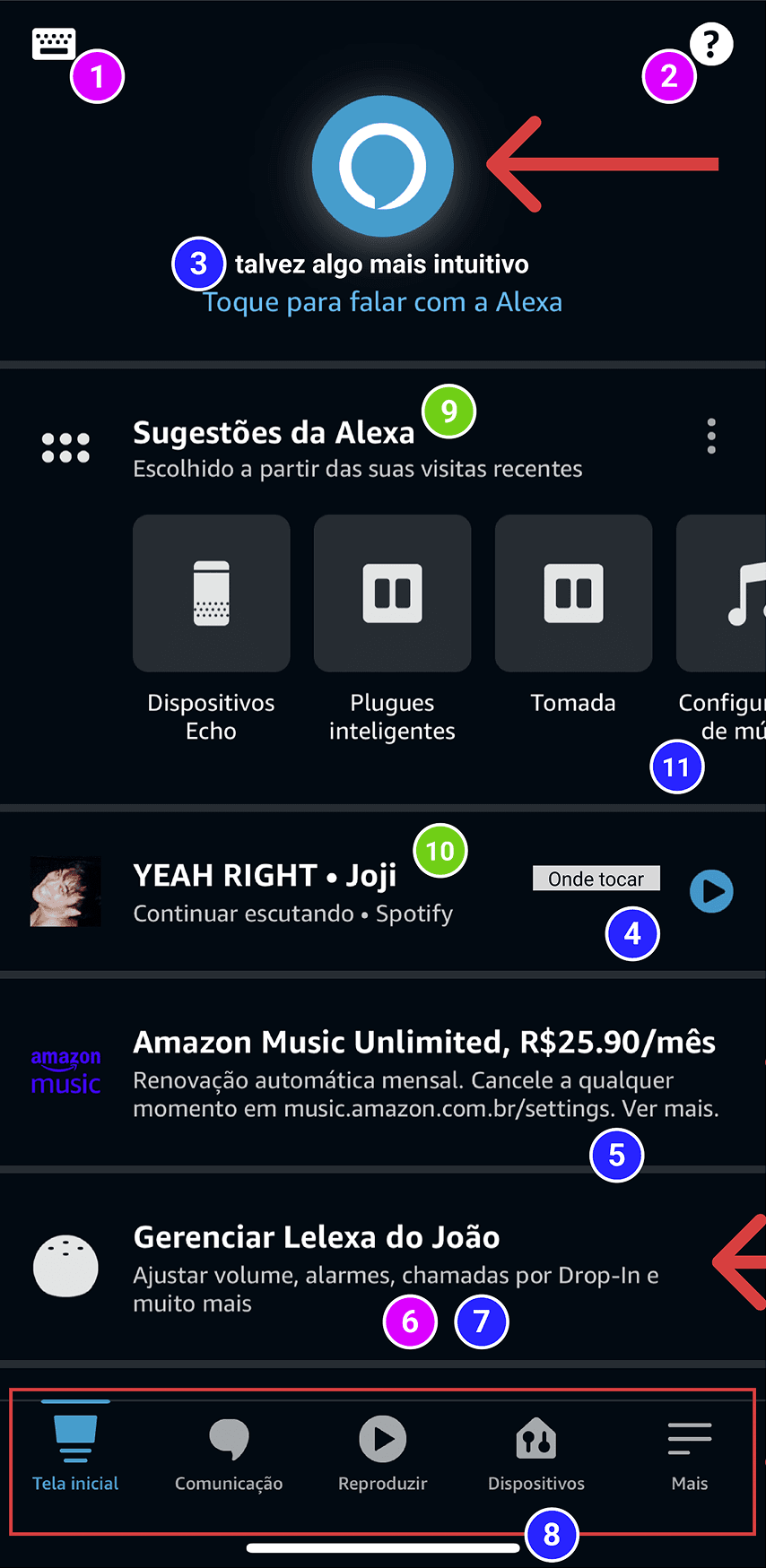
Devices Screen Analysis
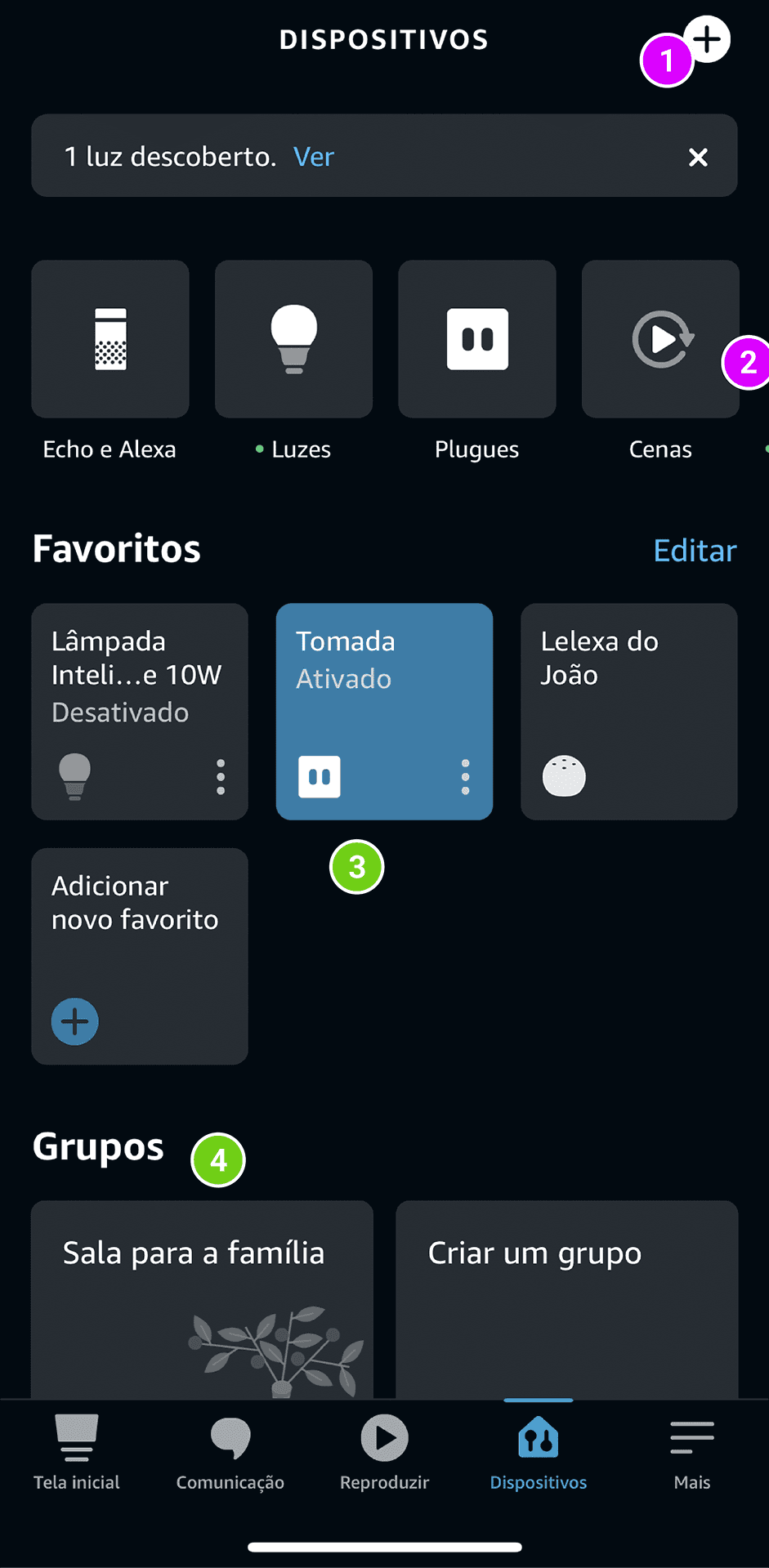
Critical issues identified: Features lacking prominence and clear visual hierarchy. Improperly implemented carousel functionality affecting navigation flow.
Research-Validated Hypotheses The app contains valuable resources made inaccessible by design limitations. The device addition process creates unnecessary friction in the onboarding experience. Accessibility features such as keyboard support for hearing-impaired users exist but remain difficult to locate and use. Device integration complexity undermines the seamless experience expected in home automation systems.
Central Research Insight Review analysis confirmed that users experience a significant gap between expectations of simple automation and the reality of complex, unintuitive processes. Key finding: accessibility challenges particularly affect new technology users, and adding new devices proves more difficult than expected.
Design Interventions
Redesigned Main Screen
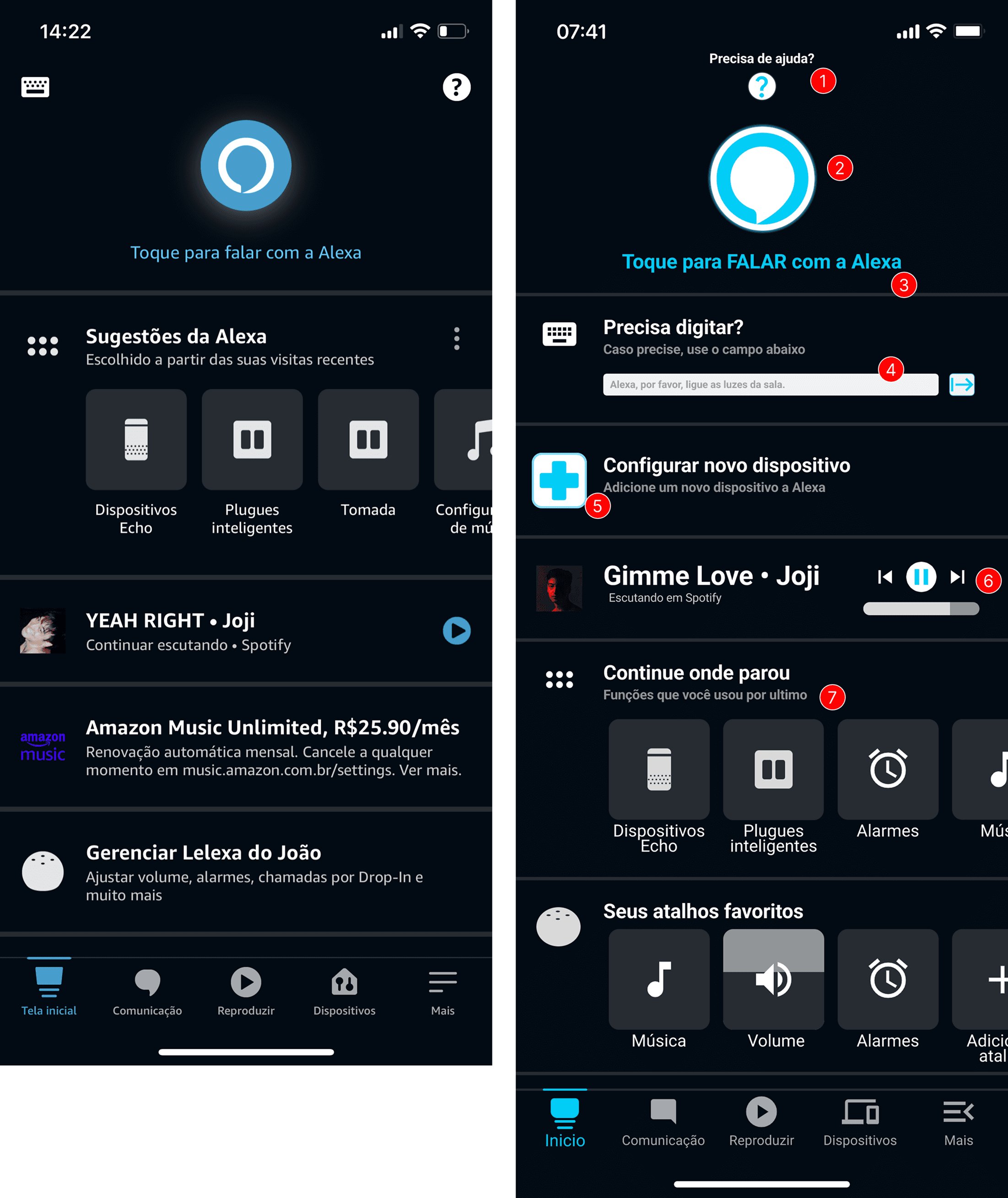
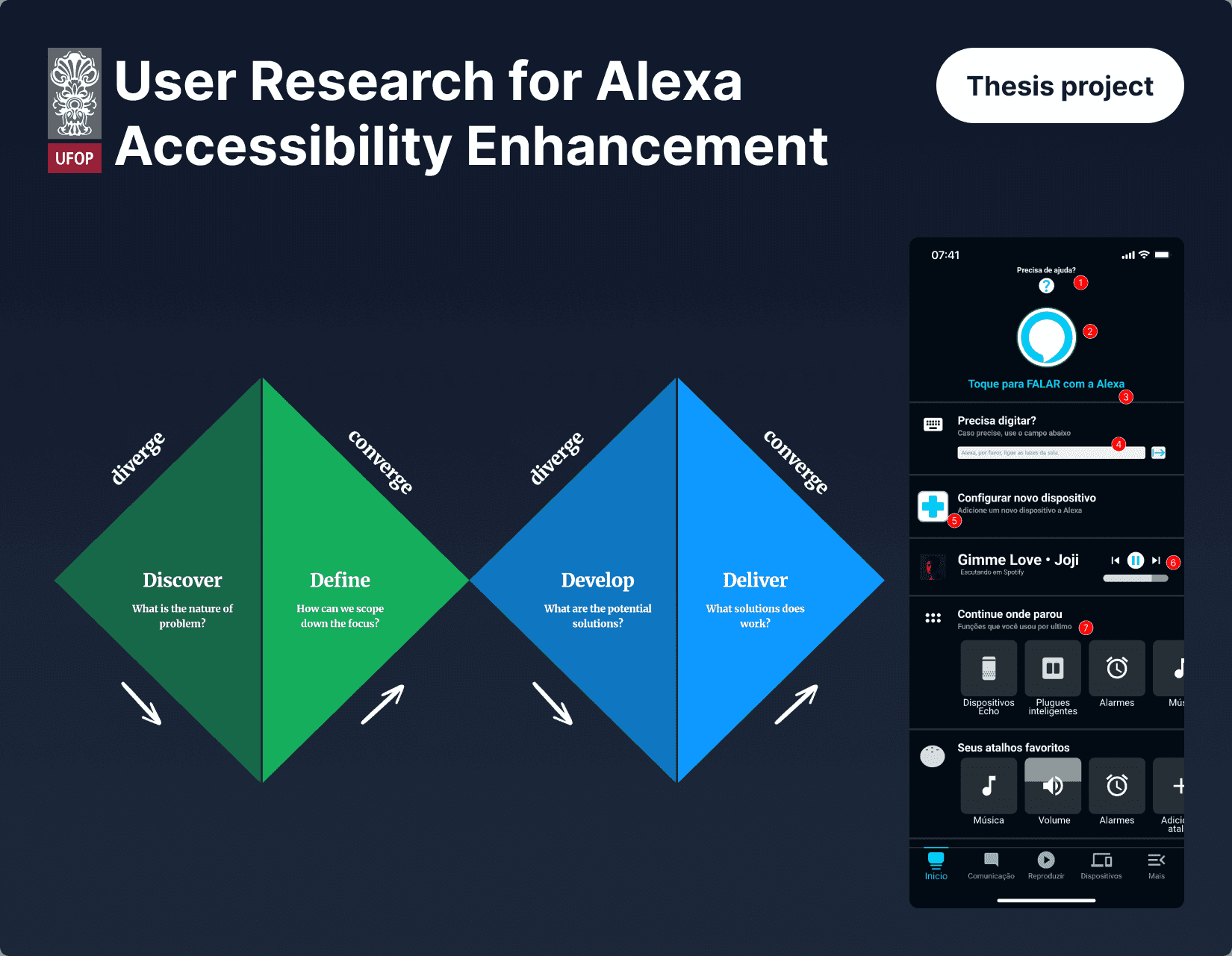
Strategic improvements implemented: Help function repositioned at the top for immediate access. Interaction icon enlarged for improved visibility. Alexa button description highlighted for clarity. Enhanced keyboard accessibility for communication. Improved identification of device adaptation function for automation. Optimized music player integration. Added shortcuts for frequent users of the application.
Redesigned Devices Screen
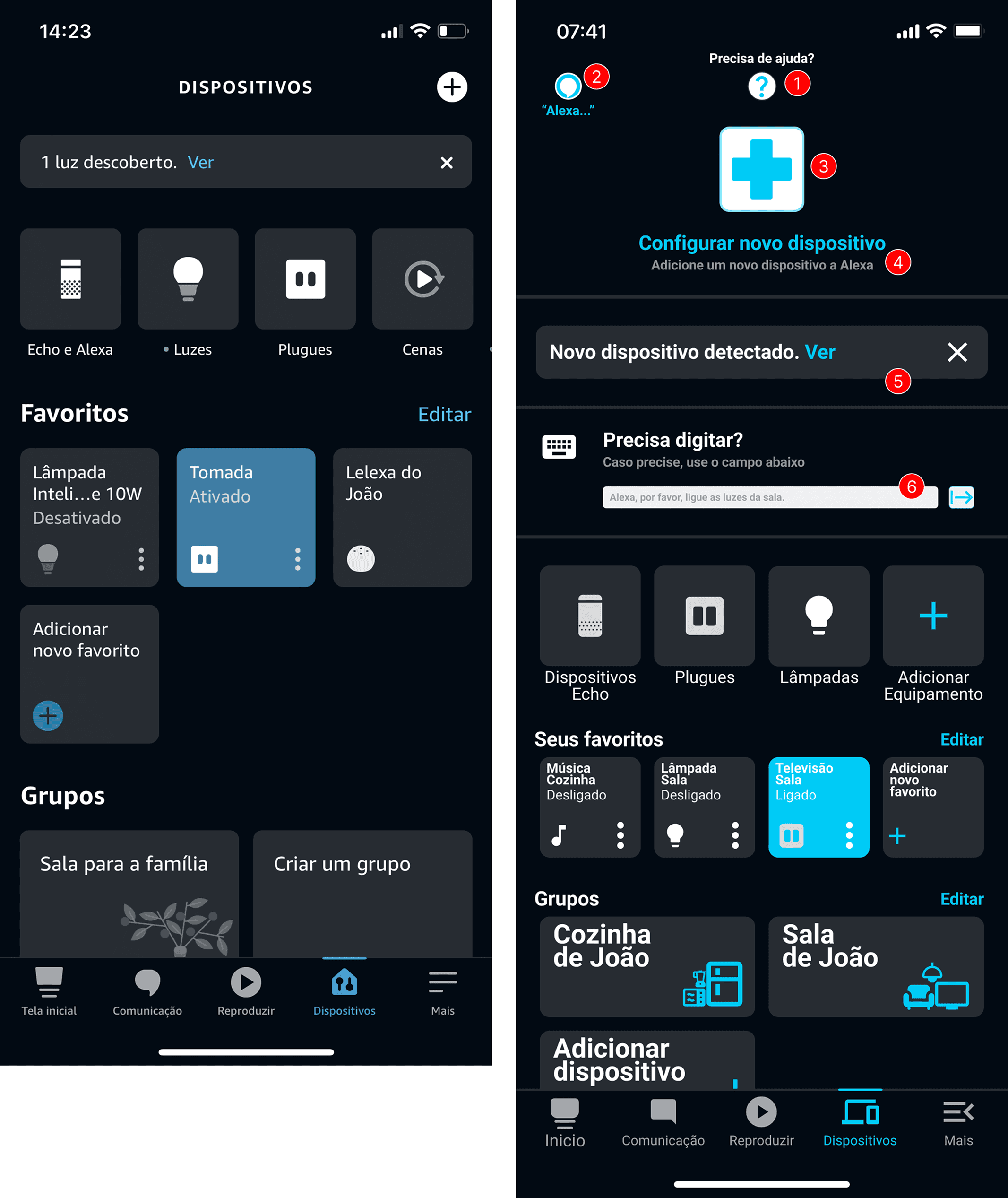
Targeted solutions implemented: Prominent help button with clear descriptions. Voice communication button for facilitated device interaction. Visually emphasized "Add Device" button for improved discoverability. Enhanced button descriptions for better usability comprehension. Improved visibility of device discovery status. Integrated keyboard functionality for accessibility support.